

Boron nitride insulators have emerged as a crucial component in modern electrical circuits, significantly influencing their performance in various ways. As a leading supplier of boron nitride insulators, I have witnessed firsthand the transformative impact these materials can have on electrical systems. In this blog post, I will delve into the science behind boron nitride insulators and explore how they affect the performance of electrical circuits.
Understanding Boron Nitride Insulators
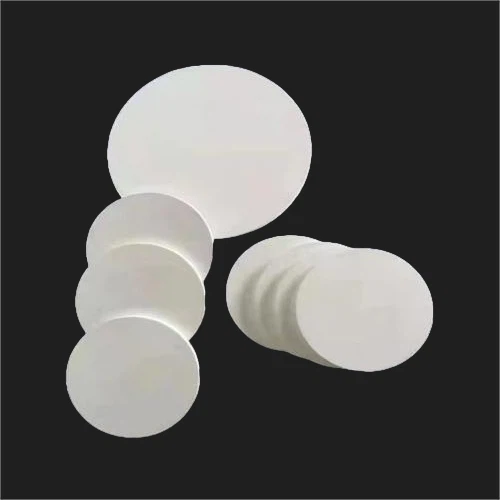
Boron nitride is a synthetic ceramic material composed of boron and nitrogen atoms. It exists in several different crystal structures, with hexagonal boron nitride (h-BN) and cubic boron nitride (c-BN) being the most common forms used in electrical applications. Hexagonal boron nitride, in particular, is widely recognized for its excellent insulating properties, high thermal conductivity, and chemical stability.
One of the key features of boron nitride insulators is their ability to withstand high temperatures without losing their insulating properties. This makes them ideal for use in electrical circuits that generate a significant amount of heat, such as power electronics, high-frequency devices, and aerospace applications. Additionally, boron nitride insulators have a low dielectric constant and a high breakdown voltage, which means they can effectively prevent the flow of electric current and withstand high voltages without breaking down.

Thermal Management in Electrical Circuits
One of the primary ways boron nitride insulators affect the performance of electrical circuits is through thermal management. Electrical components generate heat during operation, and if this heat is not properly dissipated, it can lead to a decrease in performance, reliability, and lifespan. Boron nitride insulators, with their high thermal conductivity, act as efficient heat sinks, transferring heat away from the electrical components and into the surrounding environment.
In power electronics, for example, boron nitride insulators are used to separate the high-power semiconductor devices from the heat sinks. By providing a thermally conductive path between the device and the heat sink, boron nitride insulators help to reduce the operating temperature of the semiconductor devices, improving their efficiency and reliability. This is particularly important in applications such as electric vehicles, renewable energy systems, and industrial automation, where high-power semiconductor devices are commonly used.
Electrical Insulation and Dielectric Properties
Another important aspect of boron nitride insulators is their electrical insulation properties. In electrical circuits, insulators are used to prevent the flow of electric current between different components and to protect the circuit from short circuits and electrical breakdown. Boron nitride insulators, with their high breakdown voltage and low dielectric constant, provide excellent electrical insulation, ensuring the safe and reliable operation of the electrical circuit.
The low dielectric constant of boron nitride insulators also makes them suitable for use in high-frequency applications. In high-frequency circuits, the dielectric constant of the insulating material can affect the signal propagation speed and the impedance matching of the circuit. Boron nitride insulators, with their low dielectric constant, minimize the signal loss and distortion, allowing for high-speed and high-performance operation of the electrical circuit.
Chemical Stability and Corrosion Resistance
Boron nitride insulators are also known for their chemical stability and corrosion resistance. In many electrical applications, the electrical components are exposed to harsh environments, such as high temperatures, humidity, and chemical contaminants. Boron nitride insulators, with their excellent chemical stability, can withstand these harsh environments without deteriorating or losing their insulating properties.
In addition, boron nitride insulators are resistant to corrosion, which means they can protect the electrical components from damage caused by oxidation and other chemical reactions. This is particularly important in applications such as marine electronics, oil and gas exploration, and chemical processing, where the electrical components are exposed to corrosive substances.
Applications of Boron Nitride Insulators in Electrical Circuits
Boron nitride insulators are used in a wide range of electrical applications, including power electronics, high-frequency devices, aerospace, and telecommunications. Some of the specific applications of boron nitride insulators in electrical circuits include:
- Power Electronics: Boron nitride insulators are used in power electronic devices such as insulated gate bipolar transistors (IGBTs), metal-oxide-semiconductor field-effect transistors (MOSFETs), and thyristors to provide electrical insulation and thermal management.
- High-Frequency Devices: Boron nitride insulators are used in high-frequency devices such as microwave amplifiers, antennas, and filters to provide electrical insulation and minimize signal loss and distortion.
- Aerospace: Boron nitride insulators are used in aerospace applications such as satellite electronics, avionics, and missile systems to provide electrical insulation and thermal management in harsh environments.
- Telecommunications: Boron nitride insulators are used in telecommunications applications such as fiber optic communication systems, wireless communication systems, and data centers to provide electrical insulation and thermal management.
Conclusion
In conclusion, boron nitride insulators play a crucial role in the performance of electrical circuits. Their high thermal conductivity, excellent electrical insulation properties, chemical stability, and corrosion resistance make them ideal for use in a wide range of electrical applications. As a supplier of boron nitride insulators, I am committed to providing high-quality products and excellent customer service to meet the needs of our customers.
If you are interested in learning more about our boron nitride insulators or would like to discuss your specific application requirements, please do not hesitate to contact us. We look forward to working with you to find the best solutions for your electrical circuit needs.